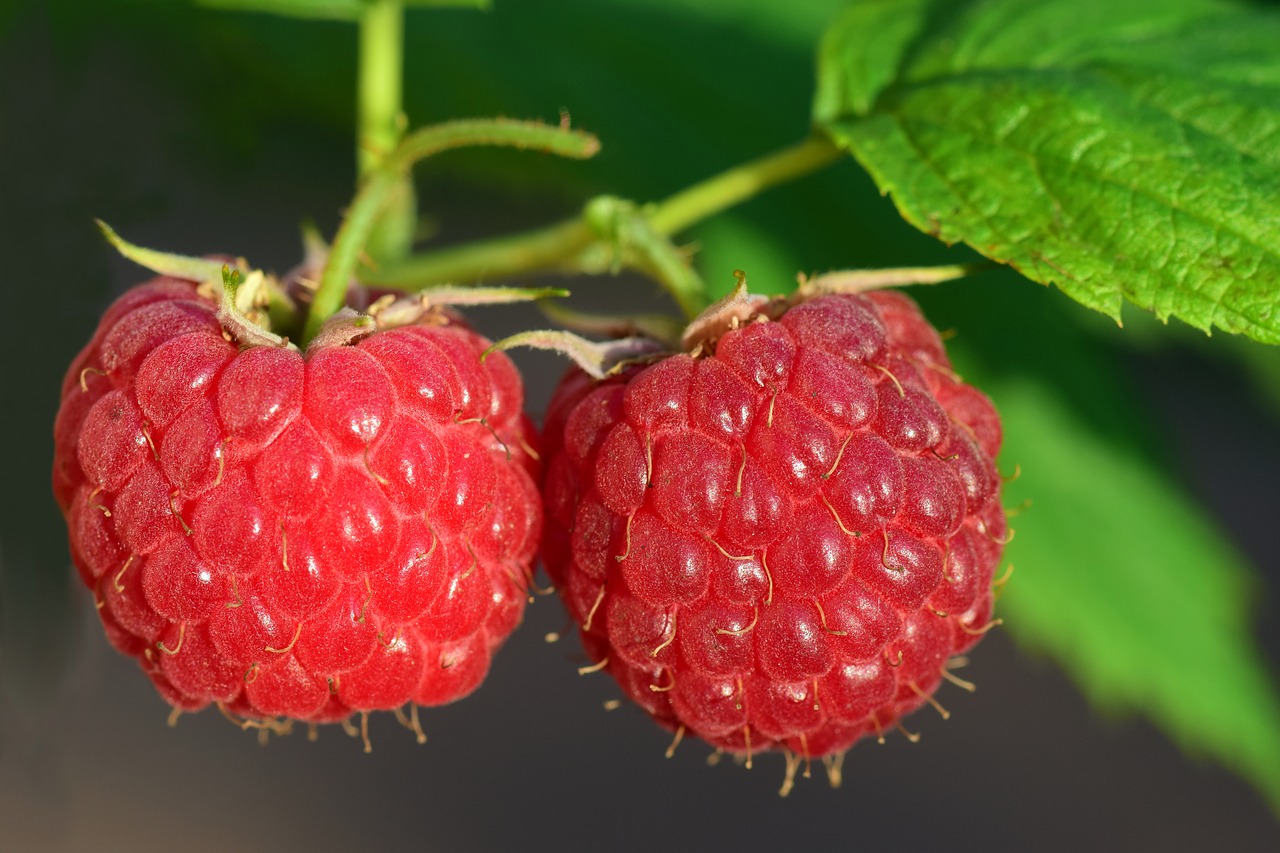
A popular berry with a rich colour and sweet juicy taste. A good source of vitamins, minerals and antioxidants
Raspberries range in colour from the popular red and black varieties to the purple, yellow or golden colours. Each colour has their own unique composition of vitamins, minerals and antioxidants
We are going to look at the health benefits of the red raspberry, the nutritional breakdown and discuss ways to incorporate raspberries into your diet
The antioxidants in plant foods such as raspberries may help prevent many health conditions
Raspberries contain antioxidants vitamins C and E, selenium, beta carotene, lutein, lycopene and zeaxanthin
Raspberries also contain plant chemicals called flavonoids which have antioxidant effects
Too many free radicals (toxic substances in the body) can cause cell damage resulting in many health issues
Antioxidants help to eliminate free radicals (toxic substances in the body). The body produces some of these free radicals during metabolic processes but most result from external factors such as poor diet and pollution
Raspberries are a good source of fibre. One cup of raspberries contains 8 grams of fibre
Research suggests that consuming a diet rich in antioxidants contributes to brain health as well as the health of the neurological system
Raspberries contain antioxidant vitamins C and E which protect a person’s ability to think and remember as they get older
Research has also shown the one group of flavonoids called anthocyanins suppresses inflammation that can lead to cardiovascular disease – raspberries contain anthocyanins
Research relating to heart health recommends increasing your potassium intake and reducing the amount of sodium in your diet. These adjustments can help prevent high blood pressure and reduce risks of cardiovascular disease
One cup of raspberries contains 186 milligrams of potassium
The antioxidants in berries are also known to prevent inflammation; inflammation could also be a risk factor for type 2 diabetes
Raspberries are naturally sweet and people do not usually need to add sugar to them. Their sweetness makes them a useful addition to the diet of people who are managing diabetes or excess weight
The fibre and water content of raspberries is known to help prevent constipation maintain a healthy digestive tract. Adequate fibre promotes regular bowl movements which are crucial for the excretion of toxins from the body
Raspberries contain the antioxidant zeaxanthin which helps to filter out harmful blue light rays protecting the eyes from problems such as age-related macular degeneration a condition causing vision problems in old age
Raspberries also contain other key nutrients such as:
Vitamin C which is needed for making collagen which is essential in the body to keep the skin and joints healthy
Folate which is necessary for proper cell development, in pregnancy doctors prescribe it to encourage growth of the unborn baby
Vitamin K which is needed for proper blood clotting with in the body
Raspberries are available fresh, frozen freeze dried or as an ingredient in jams, syrups or jelly
Fresh or frozen raspberries are best in the diet as other raspberry products usually contain added sugars. Where possible buy raspberry products without added sugars
Include raspberries in your diet by:
Adding them to smoothies or yoghurt
Make fresh fruit cocktail with raspberries, pineapple, sliced peaches and strawberries
Adding raspberries, grapes and walnuts to a chicken salad
Topping whole-grain waffles or pancakes with fresh raspberries
Blending raspberries with a little water and use as a fresh syrup for desserts, ice cream or breakfast
Mix raspberries into a spinach salad with walnuts and goat cheese
As fruits can sometimes contain pesticide residue, it is best to buy organic raspberries where possible
Plain, fresh raspberries are the healthiest
Enjoy!!