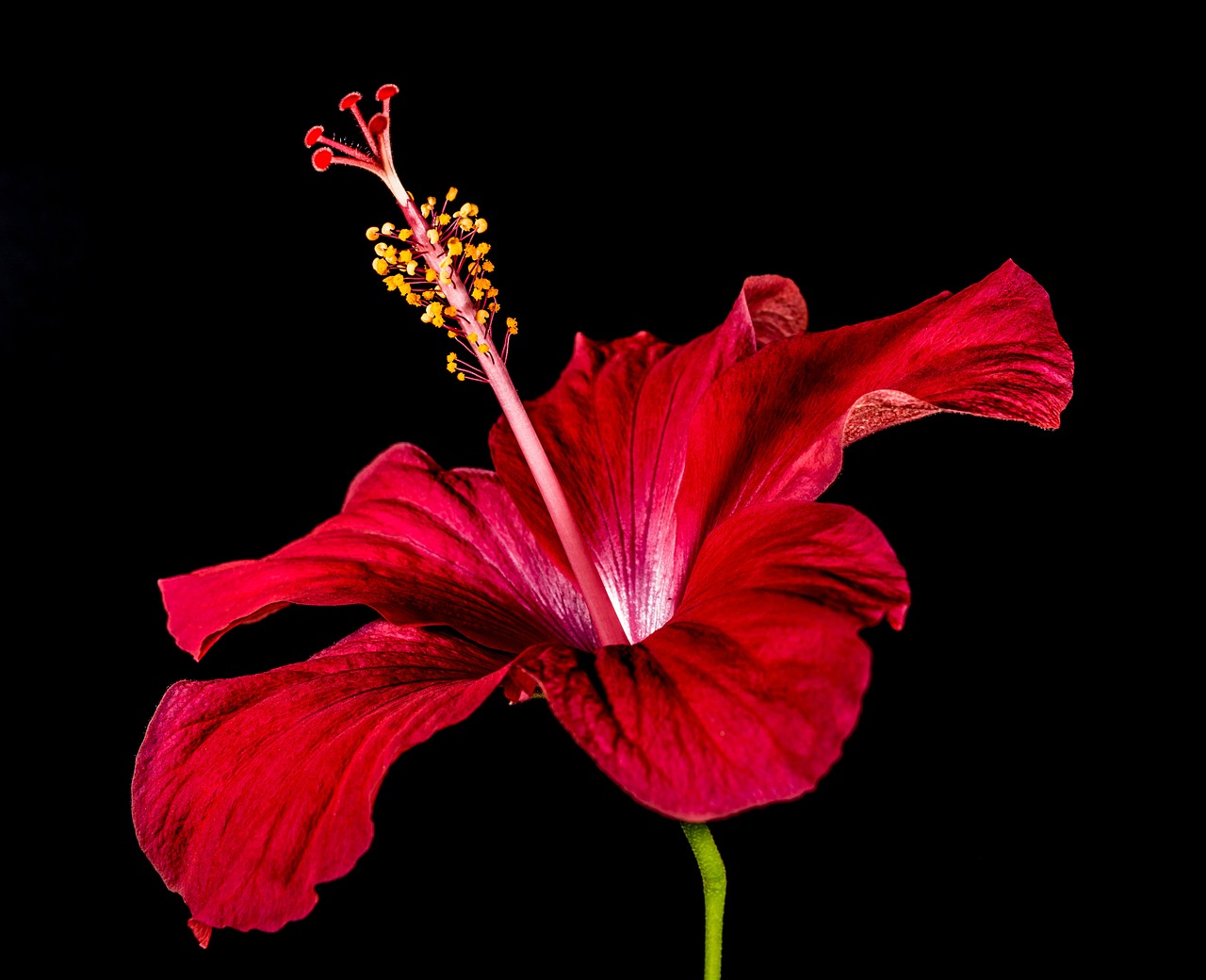
Hibiscus plants are well known and can be identified easily; they are common in landscapes where they are loved for their large flowers that bloom throughout the summer
While they are valued for their beauty they are also known for being edible, the edible parts being the flowers, leaves and calyxes (fruit)
While it is believed that all hibiscus plants are edible, given the number of varieties, caution should be taken and one should consider only the varieties that are bred and known specifically for their edibility, such as Hibiscus sabdariffa
Hibiscus sabdariffa, also known as Florida cranberry, Cranberry hibiscus and Roselle
Hibiscus sabdariffa is best known for its edibility and is the variety traditionally used to make tea
It is a large fast growing, sun loving shrub part of the Mellow family and is closely related to okra and cotton
The calyx (fruit) of the hibiscus is the part used to make hibiscus tea, a sour, tangy Vitamin C rich delight. They are also used to make sauces, jams and jellies
Hibiscus tea is very popular throughout the world and is known for its many health benefits
A tea that is naturally low in calories and caffeine-free and can be consumed hot or cold
It contains a good supply of minerals including calcium, iron, magnesium, phosphorus, sodium and zinc. As well as contains B-vitamins such as niacin and folic acid
Hibiscus tea is known to:
Manage blood pressure and lower it in cases of pre-hypertensive and mildly hypertensive adults
Hibiscus extract is known to lower the absorption of starch and glucose (the two dietary components that can lead to weight gain) and therefore may assist in weight loss
Hibiscus tea is also known to lower the levels of LDL (bad) cholesterol in the body, which in turn helps to protect against heart disease and protects the blood vessels from damage
The high vitamin C content in the hibiscus plant provides an essential nutrient required by the body to boost and stimulate the activity of the immune system
Hibiscus tea is also well known for its anti-inflammatory and antibacterial properties
Many people drink hibiscus tea to help improve digestion as it is known to regulate both urination and bowl movement. Due to its diuretic properties it is used to treat constipation and to improve the health of your gastrointestinal system
A few side effects to be aware of:
Caution should be taken by people who already have low blood pressure or hypotension. Consult your doctor before drinking it, as it may result in your blood pressure being too low
Due to its emmenagogue effects it should not be taken by pregnant women as it may stimulate menstruation or blood flow in the uterus or pelvic region
Hibiscus may lower blood sugar levels so it is best advised to consult your doctor if suffering from diabetes or planning to undergo surgery
It is known to cause allergic reaction such as itchy, red eyes, sinus or hay fever, therefore should you be prone to these types of allergies, caution should be taken
Remember! Moderation gives the best balance