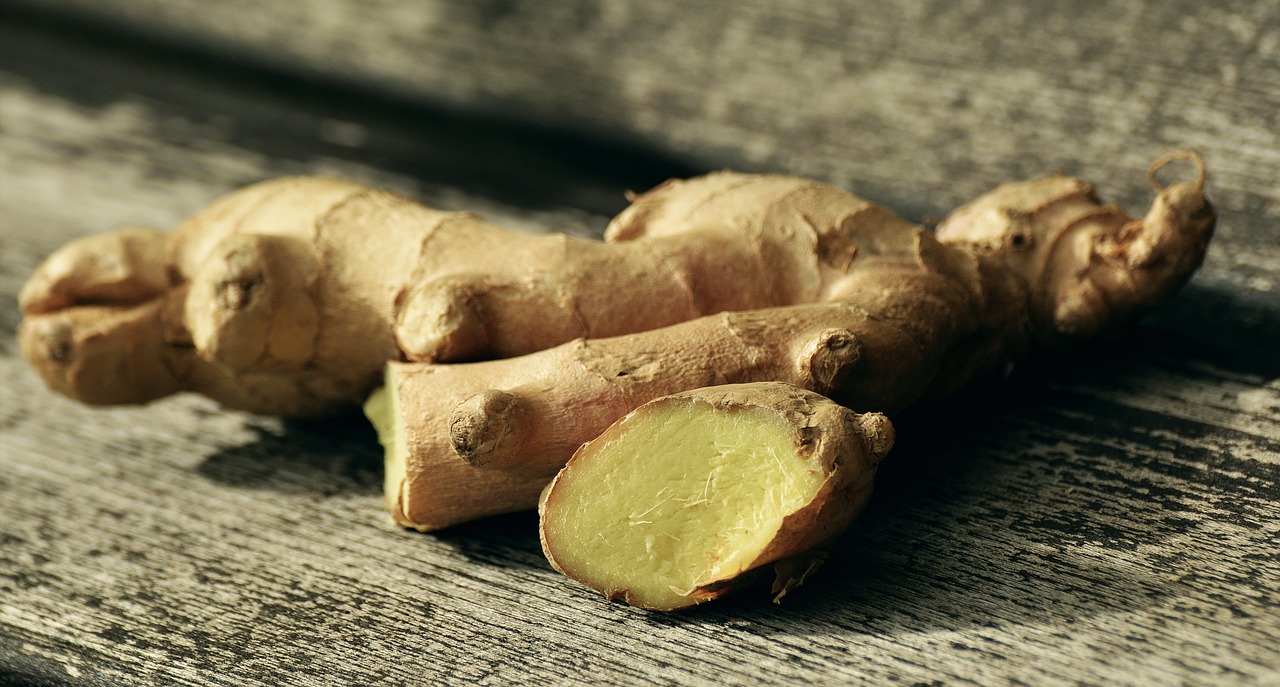
Ginger (zingiber officinale) a flowering plant where the root is used as a spice
Native to the Indo-Malaysian rain forest, ginger favours lush, moist tropical soils
Cultivation may have begun in southern Asia but it has now spread to East Africa and the Caribbean as well.
The perennial plant grows bright red flowers that come in different shapes such as torch and honeycomb
Ginger can be used in many ways fresh, dried or powdered
Ginger root is a staple ingredient in Asian cuisines and is used in soups, stews, rice and noodles
Pickled ginger is commonly served with sushi as a palate cleanser
World over it is used to flavour teas, speciality coffees, lemonades, smoothies and even cocktails
Ginger cookies, candied ginger and gingerbread men are popular holiday and party favourites
Homemade ginger teas are often used as a natural cure for sore throats, coughs and colds
Ginger drinks and ginger sweets are often used to as home remedies to alleviate nausea and digestive problems
Ginger is also often used in home-made natural products such as shampoos, soaps, massage oils and perfumes
Most of the benefits derived from ginger are due to the presence of an active constituent called gingerol
Ginger is also rich in carbohydrates, dietary fibre and protein
Ginger contains important minerals such as sodium, iron, potassium, magnesium, phosphorus and zinc
Important vitamins include vitamin C, vitamin B, folate, riboflavin and niacin
Ginger contains many anti-inflammatory and antioxidant compounds as well
Interesting Fact:
Queen Elizabeth I of England a fan of ginger root was the one who invented the gingerbread man in the 16th century and it is now loved by millions all over the world. The gingerbread man was presented at a Royal Ball and several were made to resemble honoured guests
The benefits of ginger include:
Relieves nausea
Treats cold and flu
Known to aid in digestion
Known to removes excess gas
Known to improve health gut and stomach ulcers
Known to relieve asthma
Known to reduce arthritic pain
Known to assist in the prevention of obesity
Known to delay the onset of dementia
Known to relieve muscle pain
Boost heart health
Detoxify the body
Prevent infection
Known to treat infections
There are also some common side effects of ginger which you need to be aware of:
Excess can cause diarrhea
Excess can cause heartburn
Excess can cause an upset stomach
Breathing issues
Swelling
Hives
The following risks should also be taken into account:
Can increase bile production in the case of gallstones
Can affect insulin and blood sugar levels in the case of diabetes
Should not be eaten with blood thinning medication or asprin as it may affect blood clots
Should be eaten with caution in pregnancy