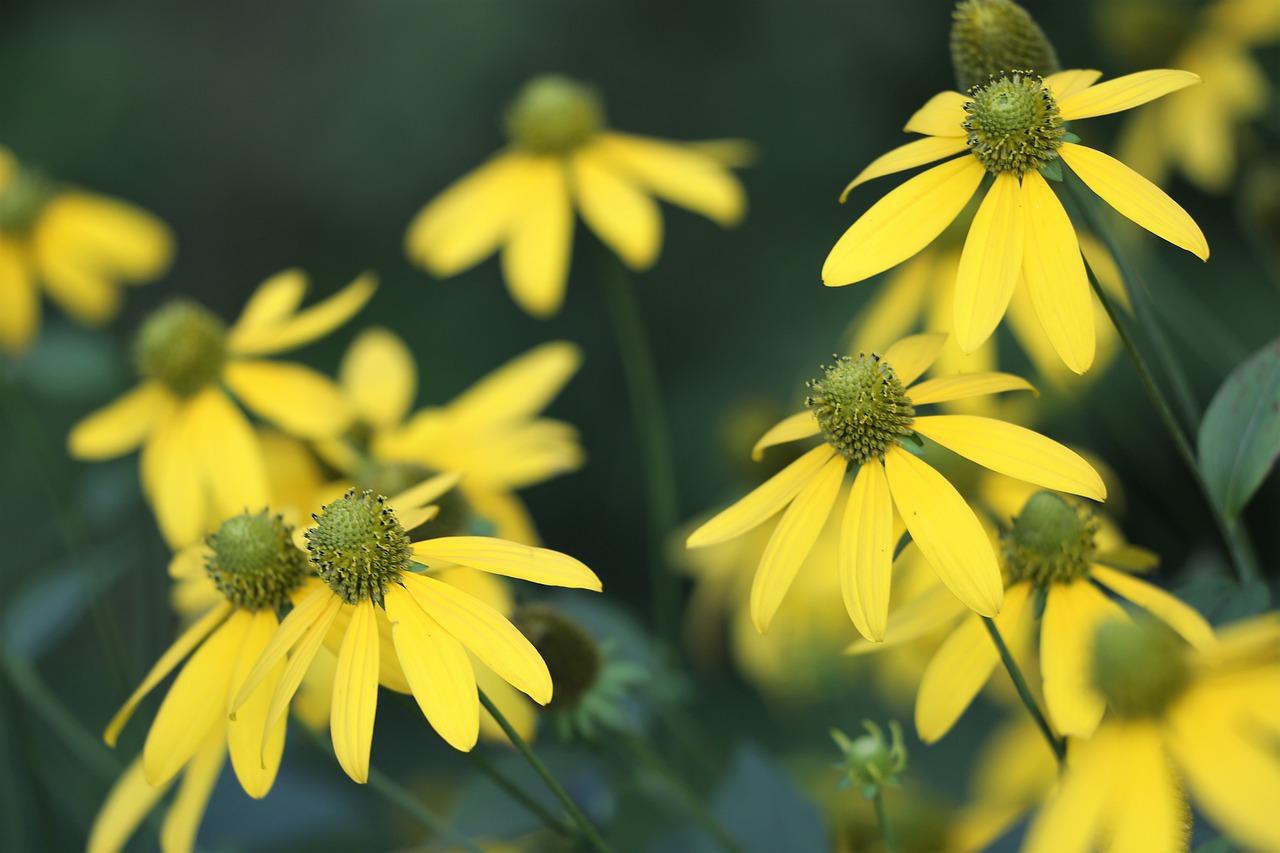
Arnica (Arnica Montana) is a flowering perennial plant from the daisy family. – it has yellow petals, an orange centre, and grows up to 2 feet high
Arnica grows in mountainous regions and is used in natural medicine
Arnica is native to Europe and Siberia, but also grows in North America
Arnica oil a carrier oil that can be used as a base to dilute concentrated essential oils – by doing so, it makes the essential oil safe for topical use and in DIY recipes
Arnica oil is used to help “carry” the essential oil onto the skin
This oil is known for its health-promoting and pain relieving powers
Arnica is good for all skin types but always dilute it – it is usually already diluted
Arnica remains good for years if stored properly – keep in a cool, dry place – keep away from moist areas
Indications that it has expired includes changes in smell, texture, and colour
Only use arnica oil in diluted form, as pure arnica is very potent
Use almond or grapeseed as a carrier oil to dilute pure arnica oil in a 30:70 ratio if oil is not already diluted.
Benefits of Arnica Oil
Arnica oil gets it powers thanks to the presence of thymol – thymol has been found to help the healing process by acting as a vasodilator and transporting blood and fluid accumulations – It helps congested and trapped blood in muscles and joints to be able to better flow
As one of the most popular home remedies for pain management, arnica oil is a terrific addition to your first aid kit
Antimicrobial and Anti-inflammatory – helps reduce swelling, relieve pain, and protect against infection
Soothes Skin – calms skin irritations such as acne, eczema, psoriasis, and bruising
Anti-aging -antioxidant elements help lower oxidative stress and prevents wrinkles, blemishes, and other signs of aging
Insect Bites – Arnica oil can help treat insect bites and stings, and ease associated bruising and soreness
Muscle Pain – eases aches, spasms, pulled muscles, and arthritic pain – it is also a natural remedy for delayed onset muscle soreness
Boosts Immune System – white blood cells are the first line of defense for your body’s immune system – Arnica oil stimulates the production and activity of these cells
How to Use Arnica Oil
You can apply directly on desired location by massaging into skin until well absorbed. It may stain clothes so be sure it is absorbed before putting on clothing
Cautions
Do not apply on or around mucous membranes
Avoid prolonged use; prolonged use may cause skin irritation
Do not use on children under 5 years old
Arnica oil is definitely handy and can help your health in a variety of ways. However , it IS very powerful… so let’s take a quick look at what you need to do to keep yourself safe from Arnica oil’s side effects
The side effects of arnica oil include
Stomach upset – internal consumption is NOT recommended as it can be toxic when ingested in high doses. Even when diluted and ingested it can cause gas, cramping, nausea, vomiting and more
Bleeding disorders – In large amounts it can cause internal haemorrhaging when ingested. It is recommended NOT to use arnica oil internally
Wounds – Do not apply to open or broken skin as it can be toxic and can cause inflammation
Pregnancy – It is not safe for use by women who are pregnant or breastfeeding as it can pass toxins to the baby. It can also induce premature labour due to the simulating elements in the oil
It’s important to take caution when using arnica!!