Did you know that the four to five feet of the adult colon contains in excess of about 100 trillion microbes that weigh has much as the liver. These microbes out number all of the other cells in our body
Microbes are any living creature that you need a powerful lens or microscope to see. We are surrounded by them in the sir, the ground, they are on our skin and in the food we eat. But they are most commonly in our intestines. They control our immune systems and help to digest our food by extracting the key chemicals and vitamins that he body requires to stay healthy
We typically think of using essential oils for their fragrance or for a spa treatment. However plant essences have been used medicinally for centuries
Do not confuse essential oils with fragrance oils. Fragrance oils are synthetics based on petrochemicals and do not contain the therapeutic properties of the natural high grade essential oils. They are cheap copies of the real thing
One of the most well know essential oils of improving digestion is peppermint. It relaxes the smooth muscles in your intestines and is used to assist in relieving gas pressure. It helps to calm reflux. Try a drop or two in a little bit of warm water next time you have heartburn. Since it relaxes the muscles of the digestion many people find that peppermint oil relieves IBS (irritable bowel syndrome)
Other essential oils that are helpful for IBS are cumin, coriander and lemon
Overall peppermint has a balancing effect on the flora of your bowel and the bacteria and other microbes that coexist in your intestinal tract, all necessary for good overall health
Clove essential oil also has the ability to relax the smooth muscles of the intestine. It calms inflammation in the gut lining and reduces intestinal spasms. Know to relive nausea, bloating and diarrhea. Clove has antiviral and antifungal properties and can be used to eliminate Candida yeast overgrowth and parasite eggs in the gut
Cardamom, ginger and tarragon essential oils are all known to stimulate the production of the gastric juices. The correct amounts of stomach acid and bile can reduce reflux while balancing peristaltic action (wave like muscular contractions of the digestive tract). Really helpful if you have a tendency towards constipation
Lavender essential oil does not seem to harm beneficial gut bacteria, but instead appears to know the difference between harmful and healthy gut flora. It harmonizes well with the beneficial bacteria in the body. Calm an upset stomach by adding a few drops to a hot bath. Inhale a little straight from the bottle or make an inhaler or use along with other oils such as peppermint or ginger. Apply neat to the abdominal area or dilute with a carrier oil such as jojoba oil
Perhaps one of the most potent anti-viral and antibacterial essential oils is oregano. Although there are over forty varieties of oregano, only 2 are effective for healing – Origanum vulgare and Thymus capitatus. The two compounds that make it so anti-viral and antibacterial are carvacrol and thymol. These compounds make oregano essential oil a powerful weapon against bacterial infections such as E.coli, fungal infections such as Candida and parasites in the gut
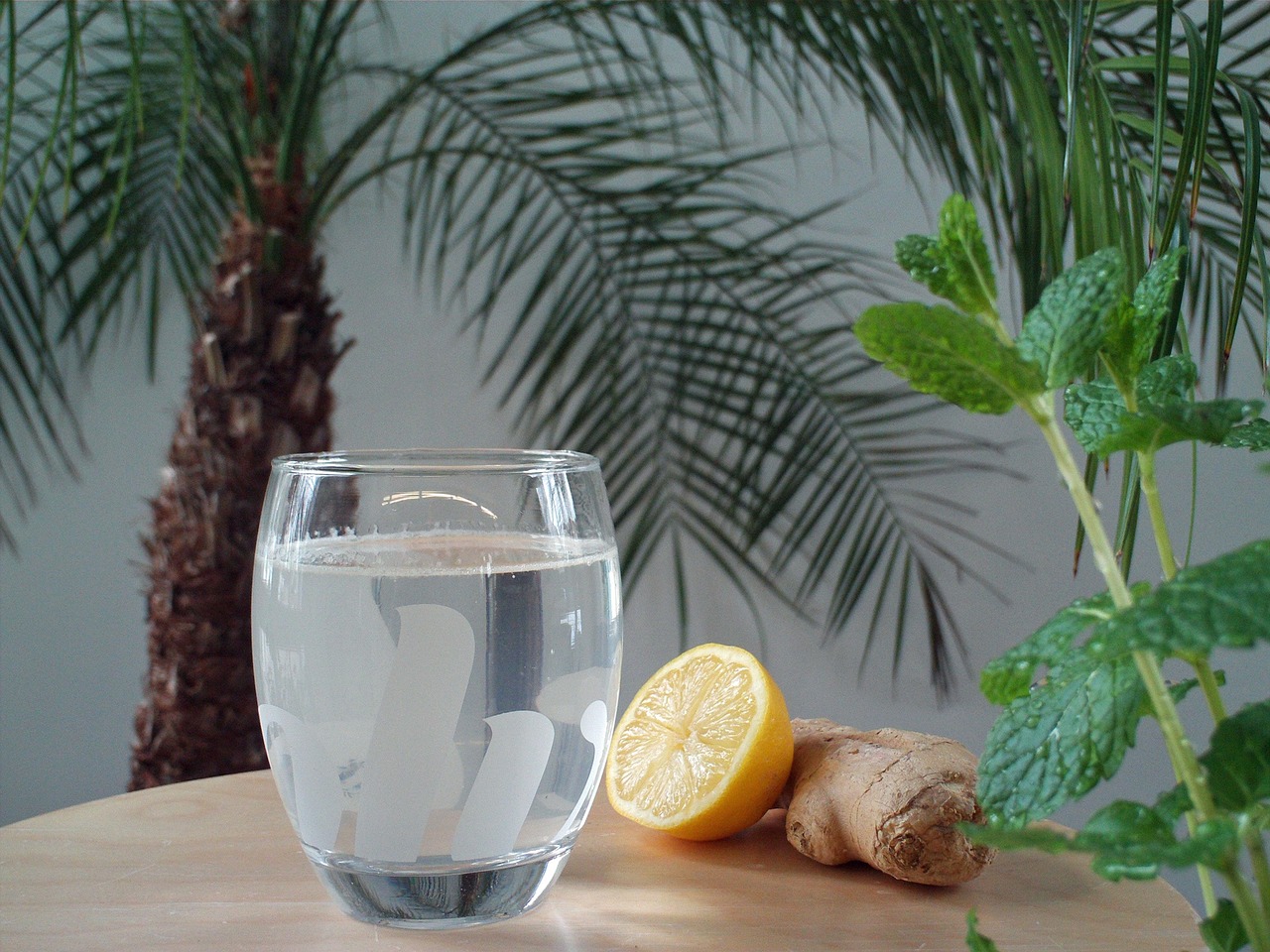
Ginger root has been used as a natural remedy for stomach complaints for centuries. It is therefore no surprise that ginger essential oil would be one of the top oils for gut health. The Chinese and Indians have been using ginger medicinally for over 4,700 years. Ginger oil is best effective against nausea, vomiting, indigestion, diarrhea and stomach cramps. Although the “gut” is technically the intestines, digestive troubles often start before food makes it to the intestines. Ginger essential oil protects the stomach and improves the overall digestion process, making it useful for indigestion and heartburn. Ginger oil has been proven to relieve post-surgical nausea which would normally require anti-nausea medication
For morning sickness try taking a small breath (inhalation) of lemon essential oil
A word of caution:
Always consult with your medical doctor before beginning any natural, alternative or home remedy program of treatment. Always seek professional medical advice. Essential oils for digestive issues should be taken with caution